Investing in new windows can significantly improve the comfort and appearance of your home, especially for homeowners in Rockville, MD who want their property to remain energy-efficient throughout changing weather conditions. After any window replacement project, it is essential to perform a thorough check to ensure the job was completed properly and your investment provides lasting value. This quality check involves more than just admiring the new glass; it means closely inspecting functionality, installation integrity, and the overall finish. Here is a professional guide on how to check your new windows after replacement.
Inspecting Physical Installation and Seals
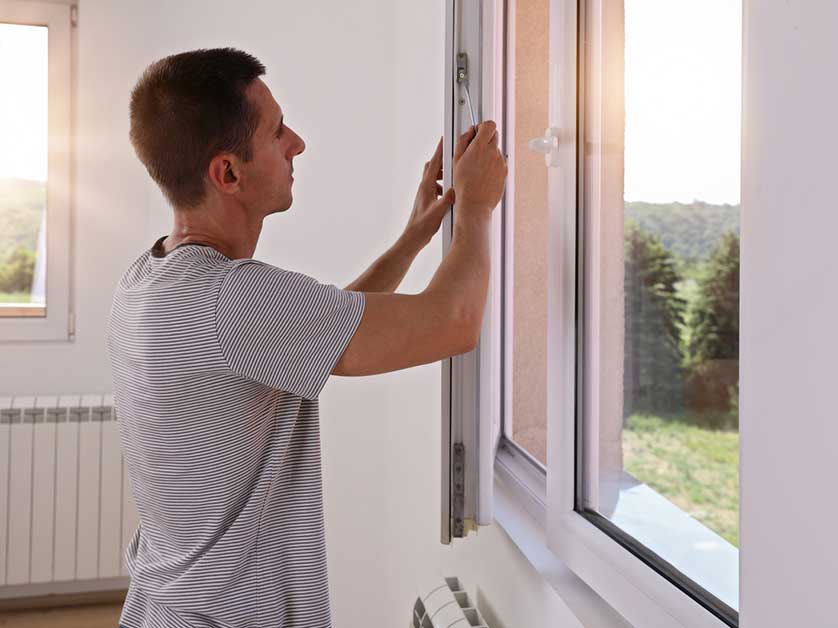
The first step is a close-up inspection of your new windows. Examine both the inside and outside frames to look for:
- Gaps or spaces between the frame and the wall
- Excess caulking or uneven sealant application
- Signs of warping, cracking, or chipped finishes
Properly installed windows should fit snugly against your home’s structure, with neat caulking that fully seals the perimeter. A tight seal is especially important because seasonal rain and humidity can lead to water intrusion or increased energy bills if windows are not installed correctly. If you notice drafts or see daylight between your window and the frame, you should request immediate attention from the installation team.
Testing Window Operation and Locks
Every new window should open, close, and lock smoothly. Test each unit several times:
- Slide or crank the window open and shut
- Engage and disengage all locking mechanisms
- Check that the sash balances on double-hung windows hold the window securely at different positions
In older properties, replacing windows is often necessary because of warped tracks or broken locks. New installations should operate smoothly without sticking or requiring excessive force. Secure locks are also essential for both safety and insulation.
Checking for Window Condensation and Air Leaks
After installation, observe your windows during temperature changes, as humidity and shifting temperatures can quickly reveal energy-efficiency issues:
- Touch the glass to check for noticeable temperature differences
- Look for fogging or condensation between glass panes, which may indicate a failed seal
- Stand near the closed window to check for cold or warm drafts
New windows should not show condensation between the panes or allow noticeable outside air to enter around the frame. Addressing these concerns promptly helps protect your comfort and keeps utility costs in check.
Reviewing Aesthetics and Cleanliness
Evaluate the finished project from both the curb and inside your home. Attention to detail is important. Clean glass, undamaged trim, and matching paint or finishes around the siding area all contribute to a polished appearance. This is also a good time to verify that exterior details such as gutters were not damaged during installation and that all adjacent siding and entryways were protected throughout the process.
Integrating With Other Exterior Renovations
Many homeowners combine window upgrades with other exterior projects such as door replacement or gutter repairs. After new windows are installed, review these areas for any unintentional impact. Make sure the areas around doorways and gutters integrate smoothly with the new window trim without gaps or mismatched finishes.
Final Checklist for Homeowners
Before finalizing payment or signing off on the project, make sure any concerns are addressed in writing with your installer. Request documentation for your window warranties and installation guarantees. This important step helps protect your investment and provides valuable information if any installation or product issues arise later.
Contact the Professionals for Reliable Window Replacement
If you want peace of mind with your window investment, trust established contractors who stand behind their workmanship. Roof Masters is committed to dependable service and quality workmanship, helping homeowners achieve a finished result they can count on through every season. Give us a call at (301) 230-7663 or fill out our contact form to get started.
