
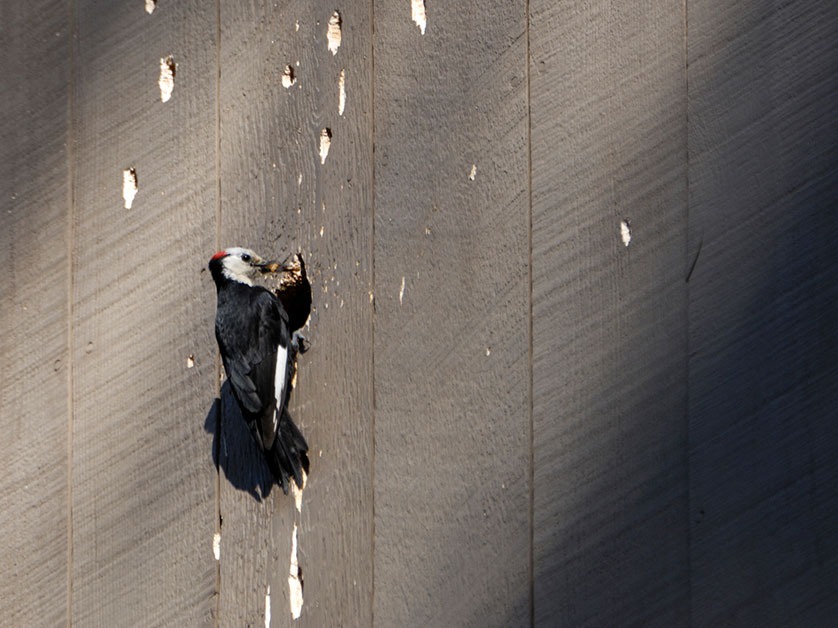
Every spring and fall, homeowners notice an increase in woodpecker activity around their homes. These birds are not just casual visitors, woodpeckers are known to inflict real damage on siding, which can become both a nuisance and a precursor to more serious home maintenance issues. Understanding why woodpeckers target siding and what steps you can take is key to protecting your property and preventing larger headaches.
Why Do Woodpeckers Target Siding?
Woodpeckers primarily target siding for three main reasons: searching for food, nesting, and communicating territory. The temperate climate and abundance of mature trees in the region create ideal conditions for insect populations that attract woodpeckers. When your siding, especially wood or composite siding, contains insects like carpenter bees, ants, or larvae, it becomes an easy food source for these birds.
Nesting is another major factor. Woodpeckers often create holes in siding to build nests and raise their young, particularly during spring and early summer. Repeated nesting activity over time can significantly weaken your home’s exterior.
Male woodpeckers also “drum” on hard surfaces such as siding or metal gutters to establish territory or attract mates. This behavior is especially noticeable during the early morning hours and can leave behind shallow holes, dents, and chipped surfaces.
How Siding Damage Leads to Additional Problems
One of the biggest concerns with untreated woodpecker damage is moisture intrusion. Once holes develop in exterior siding, rain, snow, and humidity can seep inside, leading to rot, mold, and mildew. These issues are especially problematic during humid summers. In addition, damaged siding can create entry points for insects and pests, making the original problem even worse.
Exposed siding also reduces your home’s energy efficiency. When insulation becomes compromised, heating and cooling systems must work harder to maintain indoor comfort, often increasing utility costs throughout the year. In some cases, persistent siding damage may eventually require not only siding replacement but also roof maintenance if water begins affecting the underlying structure.
Effective and Humane Solutions for Woodpecker Damage
Homeowners can take several proactive steps to reduce woodpecker activity and prevent further siding damage:
- Install physical deterrents such as lightweight netting or reflective tape over affected areas.
- Remove insect attractants by keeping siding clean and treating any underlying pest infestations promptly.
- Replace severely damaged siding with less attractive materials such as fiber cement or engineered wood products.
- Use motion-activated devices that emit sounds or flashing lights to discourage repeat visits.
When woodpecker damage becomes extensive, it is best to contact professionals who understand both exterior home repair and local wildlife behavior. A reputable company experienced in roof repair can determine whether the issue is limited to siding or if roofing and structural components have also been affected.
When to Involve Professionals
DIY prevention methods are often effective for minor or early-stage woodpecker problems. However, repeated attacks or widespread damage usually require the help of an experienced exterior specialist. Local companies with expertise in both siding and roofing can properly restore your home and help minimize future risks.
These professionals can:
- Conduct a full inspection to identify hidden moisture or pest issues.
- Repair or replace damaged siding and ensure exterior seals remain weather-tight.
- Evaluate possible impacts on rooflines, soffits, and gutters, which are vulnerable to water damage.
- Recommend maintenance plans that include regular inspections to help protect your home year-round.
Protect Your Home With Expert Help in Rockville, MD
If you are noticing woodpecker holes, loud drumming sounds, or unexplained moisture issues, do not wait for minor siding damage to become a larger and more expensive problem. Roof Masters provides professional inspections and repair solutions to help homeowners in Rockville, MD protect their homes against wildlife damage and seasonal weather conditions. A prompt inspection can help keep your property strong, efficient, and protected throughout every season. Call us today at (301) 230-7663 or fill out our contact form to get started.
